Jackson Hole is one of the most extraordinary places in North America. Tucked into a valley surrounded by Grand Teton National Park, Yellowstone, and the Bridger-Teton National Forest, it's a destination unlike any other — wild, beautiful, and genuinely alive with community spirit. Here's everything you need to plan your visit.
✈️ Getting Here
By Air — Jackson Hole Airport (JAC)
The most convenient option. JAC is located inside Grand Teton National Park — one of the few commercial airports inside a national park in the U.S. Direct flights from Denver, Salt Lake City, Dallas, Chicago, New York, and Los Angeles. The airport is just 10 minutes from downtown Jackson.
By Car
Jackson is approximately 5 hours from Salt Lake City, 8 hours from Denver, and 5 hours from Boise. US-89 and US-26 are the main routes into the valley. Be prepared for wildlife on the road — especially at dawn and dusk. Winter driving requires snow tires or chains.
Getting Around Town
The START Bus offers free public transit throughout Jackson and Teton Village. Uber and Lyft operate in the area. Many visitors rent cars for flexibility, especially when visiting national park areas. Downtown Jackson is very walkable.
🗓️ When to Visit
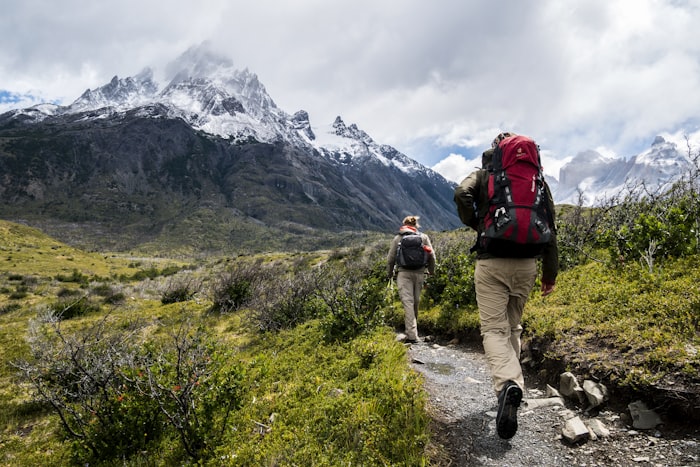
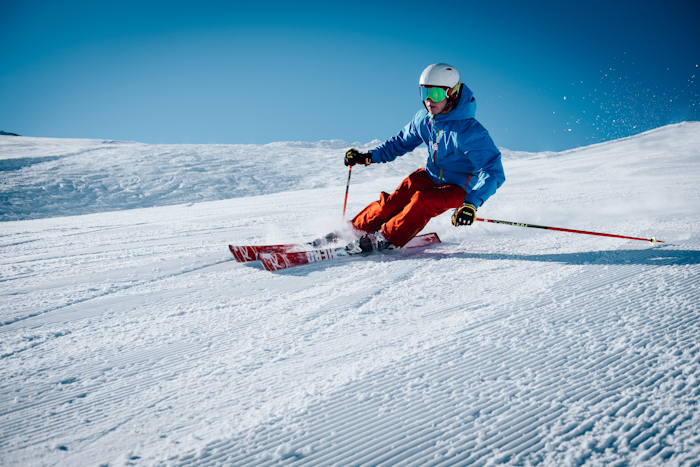

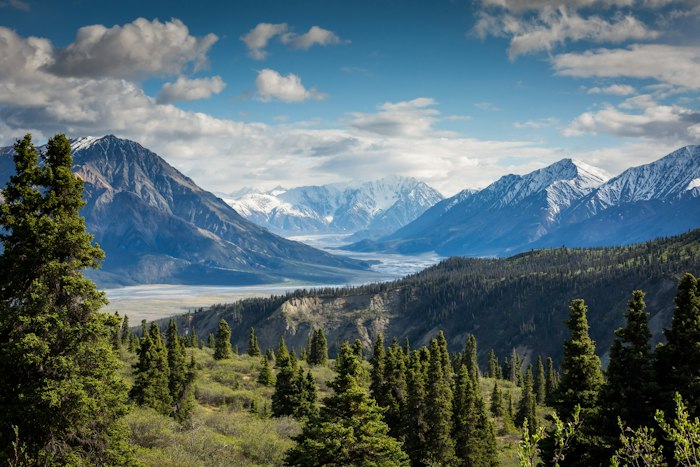
🏨 Where to Stay
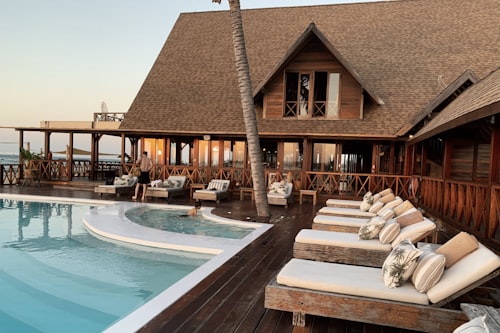
Amangani & Four Seasons
World-class resorts perched above the valley with stunning Teton views. The pinnacle of Jackson Hole luxury.
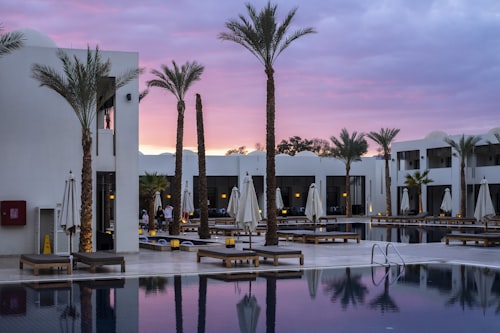
Rustic Inn & Lodge at Jackson Hole
Comfortable, well-located options in town or Teton Village. Great value for the quality.
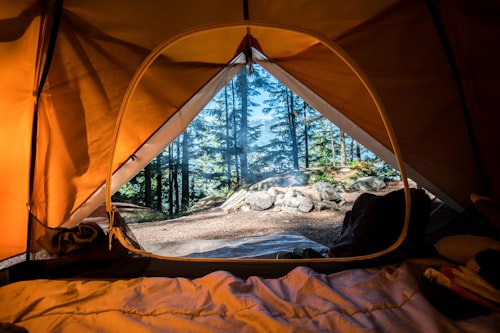
Campgrounds & Hostels
Gros Ventre and Signal Mountain campgrounds inside GTNP. Hostel X in Teton Village for budget-conscious visitors.
📋 Essential Tips
Bear Country Rules
Carry bear spray when hiking. Store food properly. Never approach wildlife, even from a vehicle. Maintain 25 yards from bison and elk, 100 yards from bears.
National Park Entry
Grand Teton NP charges an entry fee ($35/vehicle in 2026). The America the Beautiful annual pass ($80) covers entry to all national parks and pays for itself fast.
Cell Service & Altitude
Service is spotty in many park areas — download offline maps before heading out. At 6,237 ft elevation, altitude can affect visitors. Stay hydrated and take it easy your first day.
Budget Realistically
Jackson Hole is one of the priciest destinations in the U.S. Dining, lodging, and activities add up quickly — plan ahead and book early for the best rates.
Weather Changes Fast
Even in summer, temperatures can drop quickly in the mountains. Always bring a layering system regardless of the forecast. Afternoon thunderstorms are common July–August.
Stock Up Smart
Groceries and gear are significantly cheaper in nearby Idaho Falls or Driggs. If you're planning a longer stay, consider stocking up before arriving in town.
🔗 Useful Links
Plan your trip with these official resources: